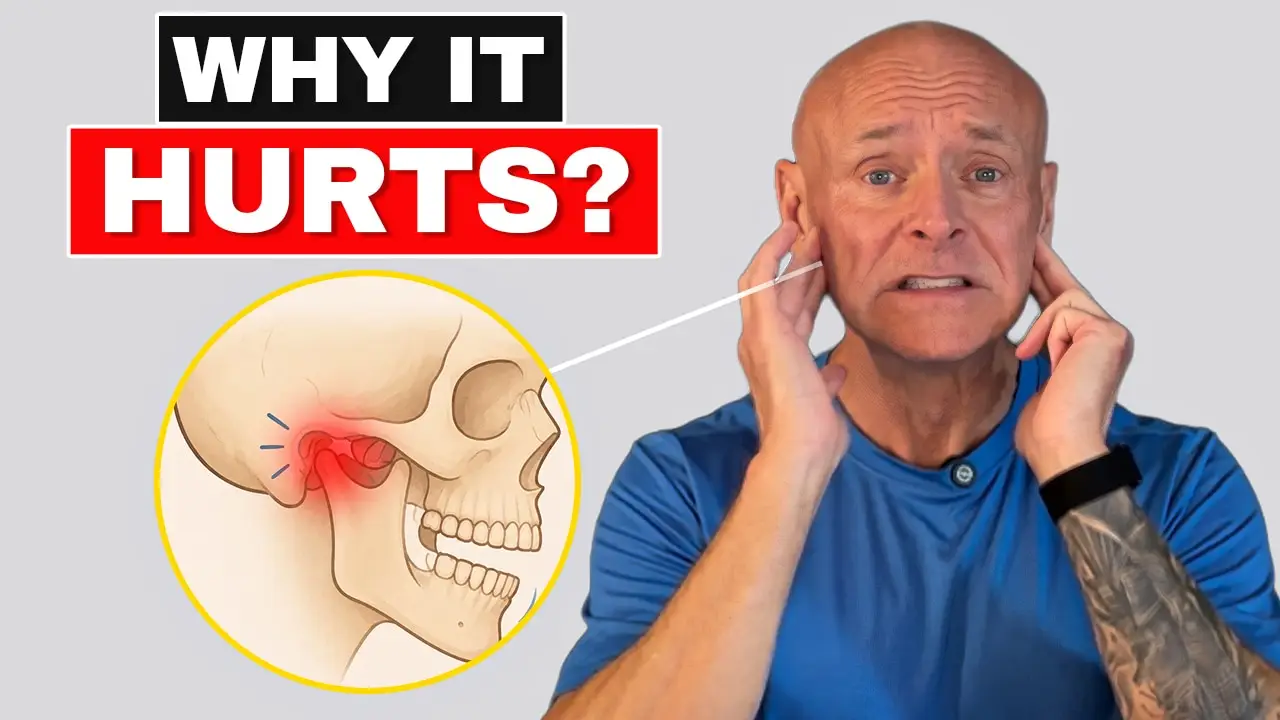
Today, we’re going to talk about utilizing sensory before motor to improve mobility. Now, um, if you heard me talk about mobility versus motor control before, uh, you will know the definition that mobility is all about improving range of motion of a given joint, hopefully to its full natural extent. And if you’re an athlete in a sport that requires even more than that, then safely just beyond that.
So one of our kind of key tenants is that whenever we look at how the nervous system functions for a joint. to go through a full range of motion. Obviously there’s a symphony of muscles. Some have to relax, some have to contract, and then we have a lot of more passive elements like ligaments that are also going to be involved in some ranges of motion.
Now the question then becomes, well, how do I best work on those? Well, often the best thing that we can do is understand how the nervous system is organized. Your brain is reliant upon sensory information coming in from all the different areas, you know, your eyes, your ears, your skin, it has to have all that information and it needs to be accurate in order for it to make good decisions about movement.
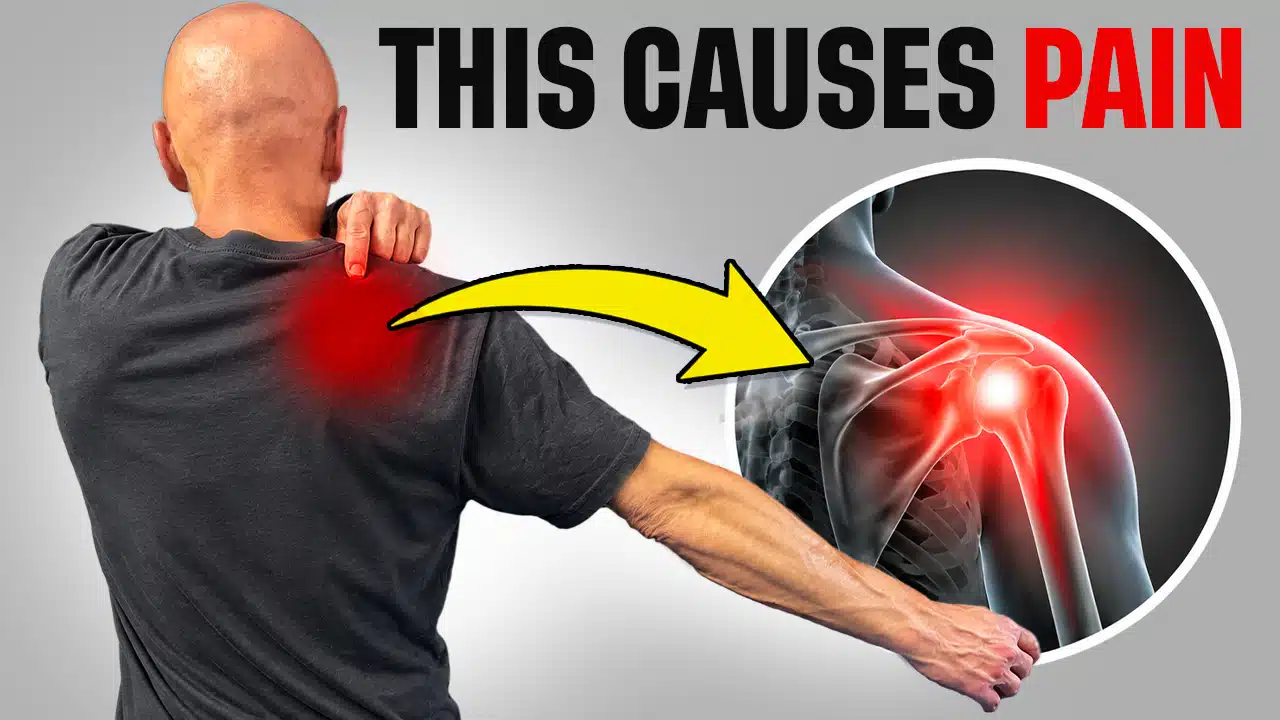
So often what we do in the rehab and movement world is we reverse this and we go, okay, someone can’t go into internal rotation with the right shoulder. So let’s just work the heck out of that. We do a lot of motor activity. I’m not saying that’s bad. I’m just saying we might want to consider that the sensation, neurologically speaking, tends to come before the motor.
And if there are sensory problems, we might be able to help improve the motor output by working on that. We can also just utilize sensation as a tool, what’s called a stacking tool, in order to improve some of the motor output. So I’m gonna give you some examples. We’re gonna work today on my right side internal rotation?
You can pick a joint. What I want you to do is I want you to go through The full range of motion somewhere between eight and around twenty times so that you’re not fooling yourself. I don’t want you to do three reps and then do what I show you to do. And then you’re gonna be like, Oh, look, that was amazing.
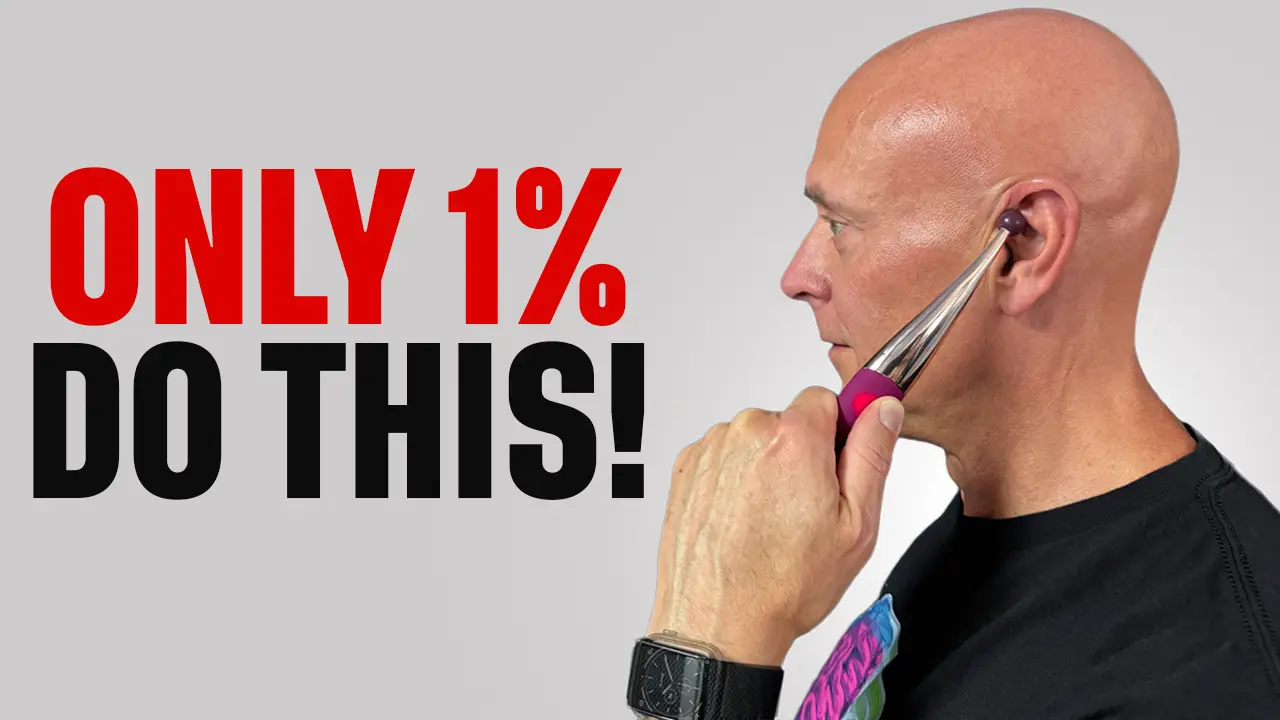
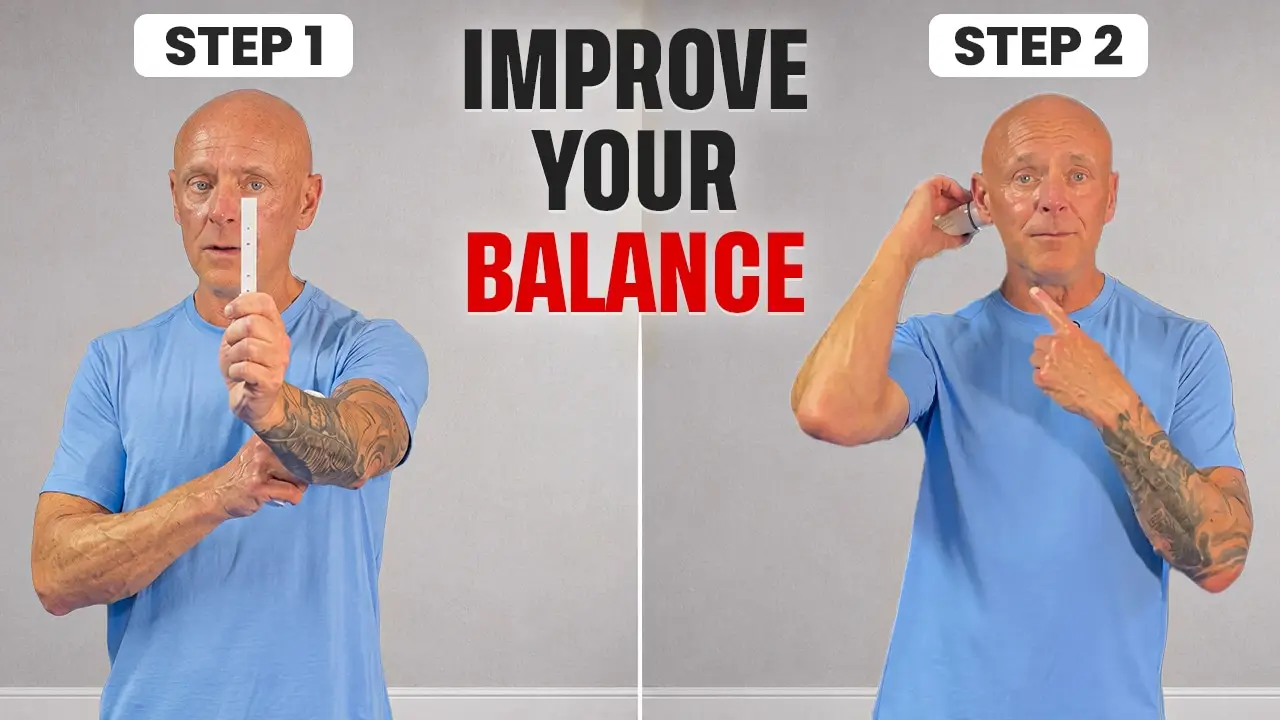
We need to warm the area up. And from a research perspective, typically we need eight to twenty repetitions to reach our current full mobility in that given range of motion. So try to be as consistent as you can and do that. Now, next thing we’re going to do is we’re going to try some vibration. The way that we’re going to do this, I’ve got a little handheld massager.
I’m going to turn it on. And I’m simply going to hold it in the hand on the side that I’m working. I’ll give it about 15 20 seconds, and then as I’m holding it, I’m going to go back through that range of motion. And I’m going to notice, am I going further? So for me, I feel like I’m going a little bit further.
It feels like it’s a little bit looser. So if I were to continue to do that, That might work. I could also increase the speed or decrease the speed, so I’ve just slowed this one down. One of the reasons that we’re talking about this is that sensory is very specific. We actually have receptors that pick up different frequencies of vibration, so by going from a low frequency to a higher frequency, I might hit different receptors, which might be the sensory input that my brain needs in order to feel better.
Now at the same time, if you’re deep into neurology, you know that vibration, uh, is carried in certain pathways in the spinal cord up to the brain. I’m not going to even get into the anatomy of all this. But then we have other sensations that are carried in different pathways. So if you’re going to use sensory before motor and you want to be a brain based practitioner, then you have to know that stuff.
You have to know when to test it. So now what I have here is a very nice, cool ice pack, which is great here in Vegas in the heat. Uh, so what I’m gonna do here is again, I’m gonna be testing a different pathway system all the way up to my brain, right? I’m giving it cold input. That’s gonna go through a different, um, like I said, spinal cord pathway is gonna go to the brain and I’m gonna use that and I’m gonna go back and retest my range of motion and see if it makes sense.
And in this particular case, to me, it feels like maybe I’m going a little bit further, uh, with the ice in my hand as opposed to the vibration. This is why neurology matters. If I was my own client, right? And I’m coming in saying, you know what, uh, my tennis serve is suffering or I’m getting shoulder pain and elbow pain when I throw baseball with my kids or whatever it is.
And I start looking at that range of motion. I go, wow, that’s really limited. And I say, okay, we’re going to strap a band here. We’re going to do some mobilizations. I’m going to give you a lot of take home exercises to really work on that mobility. That could work, but it could take a lot longer than is necessary.
If instead I can go, well, let’s try some sensation testing, put the cold in my hand. I get to a new found range of motion. And then from here, because I’ve already gotten to the range that I’m probably going to want to reach. Now I can immediately go into some stabilization and strengthening exercises in that spot.
If you’re new to Z-Health, we are an education company. We specialize in teaching coaches, doctors, and therapists how to blend neurology with what they are already great at, uh, to, to help clients even faster. If you’re really interested in mobility, motor control, and how all this stuff blends together, uh, within the brain and the body, we have a course coming up called No More Mindless Mobility.
and so you want to read about that. You can check the link below. Obviously if you’re brand new to all of this stuff please take advantage of our YouTube channel. We have over 560 videos, I think, uh, a hundred thousand plus subscribers. Uh, so there’s some good quality information here you can check out. We also have a free mini course you can check out in the link below. All right.
Have a great day.