Hi, I’m Dr Eric Cobb of Z-Health Performance and we are continuing our series on Golfer’s Elbow today, focusing on the Ulnar Nerve Connection. If you’re new to Z-Health, we are a Brain Based training company. We specialize in working with world-class doctors, coaches, and therapists. So, if you find this information interesting + you’re looking for education on blending Neuroscience with Biomechanics, please make sure to check out all of our free resources and our free courses to get an idea of what we do.
Alright, so, so far we’ve spent some time (I think four videos so far) talking about Golfer’s Elbow. When we began the series, we said, “Look there are a couple of issues; one is a loss of local tissue capacity, strength, endurance, etc. as well as kinetic chain problems.” We have so far looked at a lot of the kinetic chain issues and last time we were talking about, “okay what are some basic soft tissue approaches that you can do at home?” Now we’re going to move to another subset of issues.
When you look at the research on Golfer’s Elbow you will often find about 50 percent of people that are suffering from this medial epicondylitis issue have what is known as Ulnar Neuritis. That is an inflammation of the ulnar nerve. The ulnar nerve is the nerve that you know, if you’re from the U.S, and you hit your elbow in something and you get this zinging sensation that’s very painful down to your pinky and ring finger and we call it the “funny bone” here and it’s not funny at all but that’s your ulnar nerve! So what you’ll often find, because the ulnar nerve runs in a little groove right beside the medial epicondyle, is that if this area is inflamed or irritated it’s also very possible for the ulnar nerve to become irritated, as well. So, you may be working on improving the kinetic chain, working on some of the massage, working on strengthening, and still be experiencing significant issues. If that’s the case, then we need to work on the ulnar nerve. There are a couple of ways to do that.
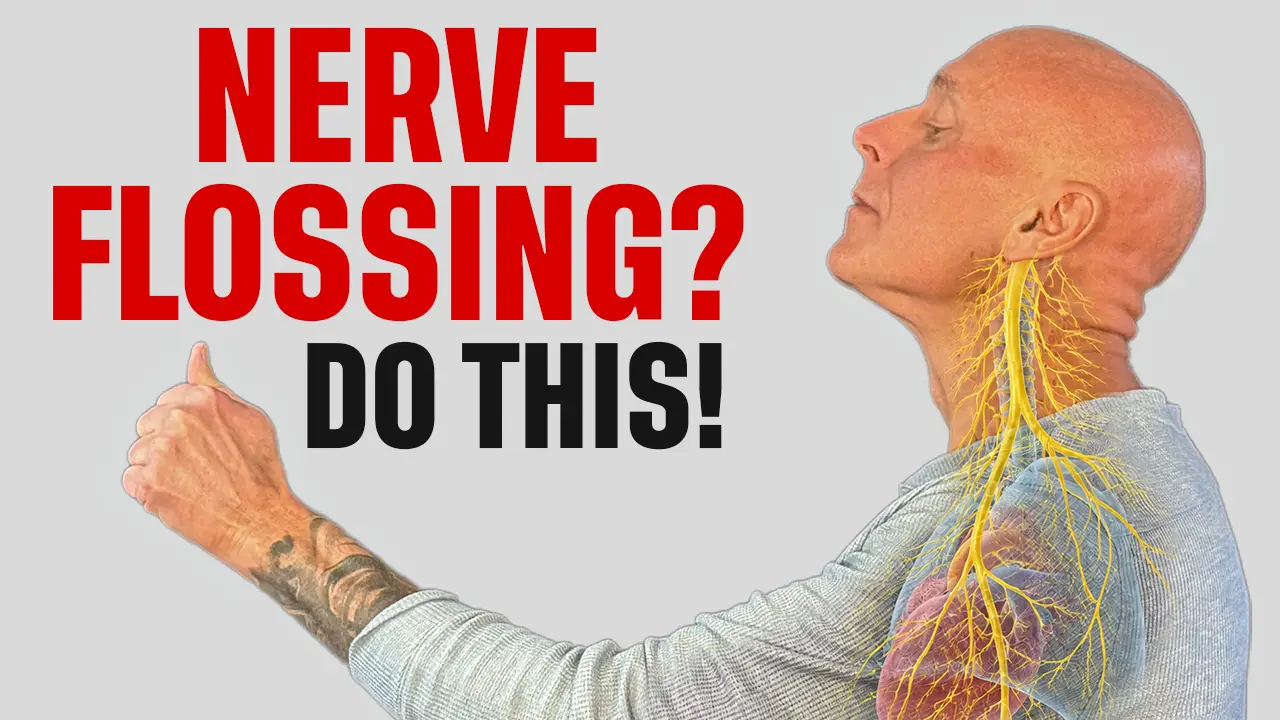
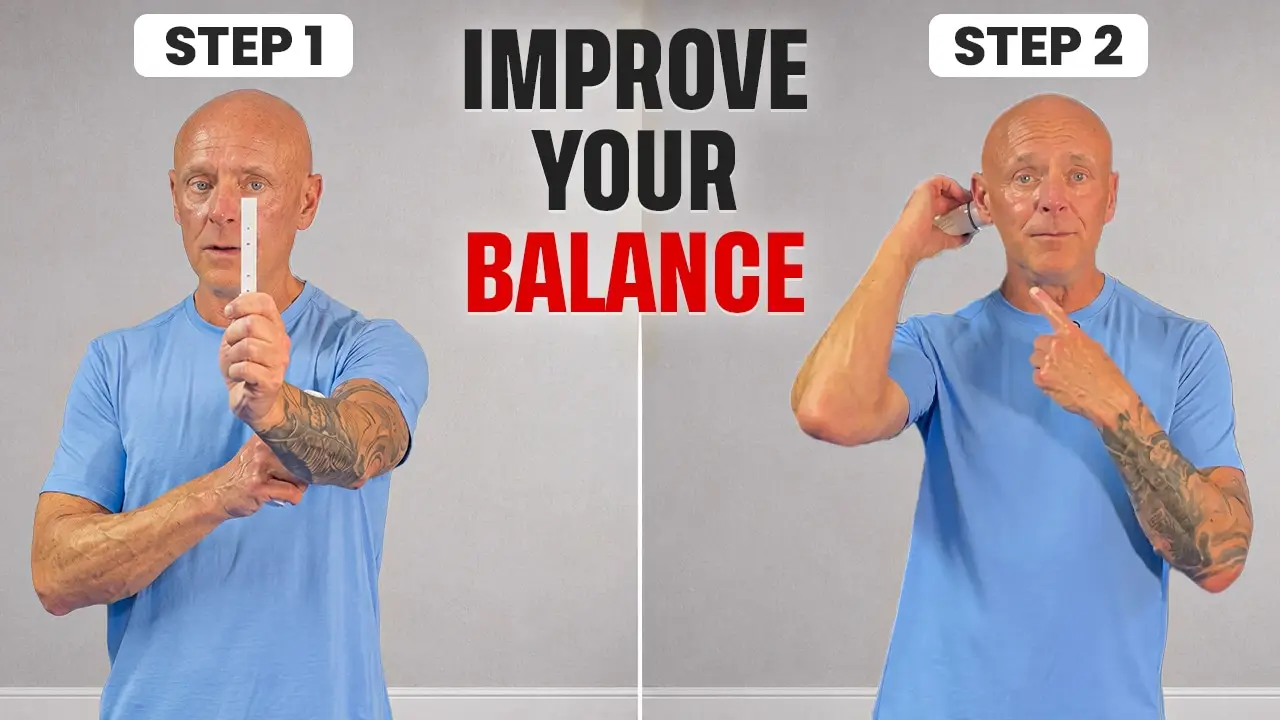
We want to make sure that it’s capable of moving through the tissues comfortably and the way that we do that is by looking at what we call Ulnar Nerve Connection or neurodynamic drills. This is a really simple exercise, so I’m just going to take you through it. We’re going to work on the side that you do not have the problem on first, so, let’s imagine that I have left side medial epicondyle lightest. Here’s what I want you to do: press on it and then squeeze and pronate or do any of the movements that are bothersome for you and get a pain level. We’re then going to go to the opposite side of the body and we’re going to start working there. If I have left side problems, I’m going to take my right hand and I’m going to take my palm and point it at the wall behind me. I’m going to spread my fingers, I’m going to extend my wrist, and then I’m going to flex my elbow. Now from here, one of the most critical pieces of this is taking your shoulder blade and pulling it down gently. Once you’ve pulled it down, you’re then going to raise your elbow and then, here’s the key; you’re going to take it out to the side and you’re going to look at your hand. Ulnar Nerve Connection is vital for understanding and alleviating discomfort.
As you do that now, as you come out to the side, and look at your hand, if this is all being done correctly you’ll probably feel literally a little pulling sensation through your elbow. You may even feel tingling down into your little finger, etc. I need you to keep this very gentle. We tell people, if you can imagine a scale of one to ten (ten being you know I feel like my nerve is going to pop) we want you to keep this around to level three. So it should be very gentle. The way that we’re keeping this gentle in the beginning, is that we’re looking at the hand as we go through it. So, you’ll just repeat that four or five times and I like to have people do this, you know, going all the way down and then coming back up. You can stop if you want and just do little motions if it feels good to you, but after you’ve done five or ten repetitions, go back to the problematic side and retest. See if it’s made a difference for you. I know it may seem weird but there’s some brain mechanisms where if we work on the opposite side of the body, we may create some low-grade pain relief on the opposite side. So, if you’re really inflamed or really irritated, it may be valuable to start on the opposite side. Now, once you’ve done the opposite side you can now go to the problematic side and repeat. So again, I point my palm to the wall behind me, spread my fingers, extend my wrist, flex my elbow, pull my shoulder blade down. I’m going to lift my elbow up and then I’m going to turn out to the side and I’m going to look at my hand. Now, when I’m looking at my hand this actually makes the exercise a little less intense. If you have progressed and you’re feeling better and things are getting pretty good and you want to make this a more intense exercise, then what you would do is; once you get to this point where I say look at your hand, I actually want you to look away as you take the elbow out. If you look away, you’re going to wind up putting a little bit more stress on that nerve. So there are ways to regress and progress this particular exercise. This is one of our favorites! We use it all the time, so give it a shot! Hopefully it makes a big difference for you. For you, make sure that after you do these you’re always going back and retesting to ensure that your brain is feeling safer about the move.