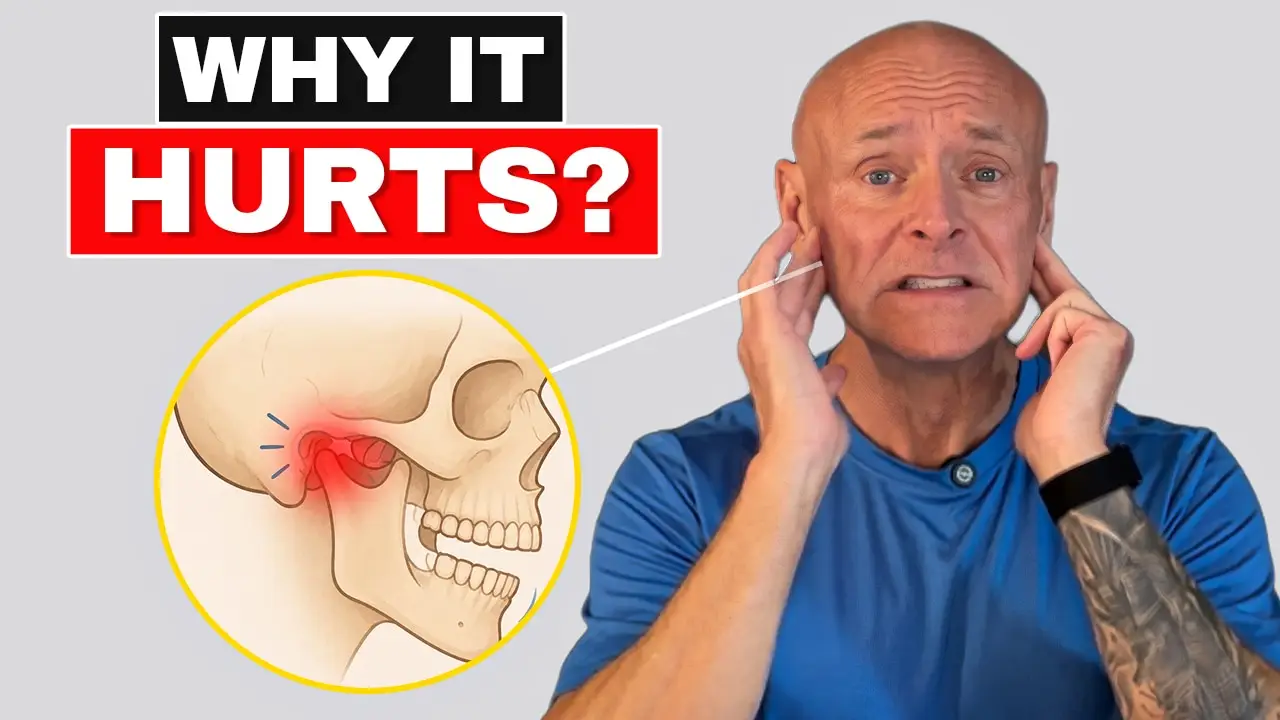
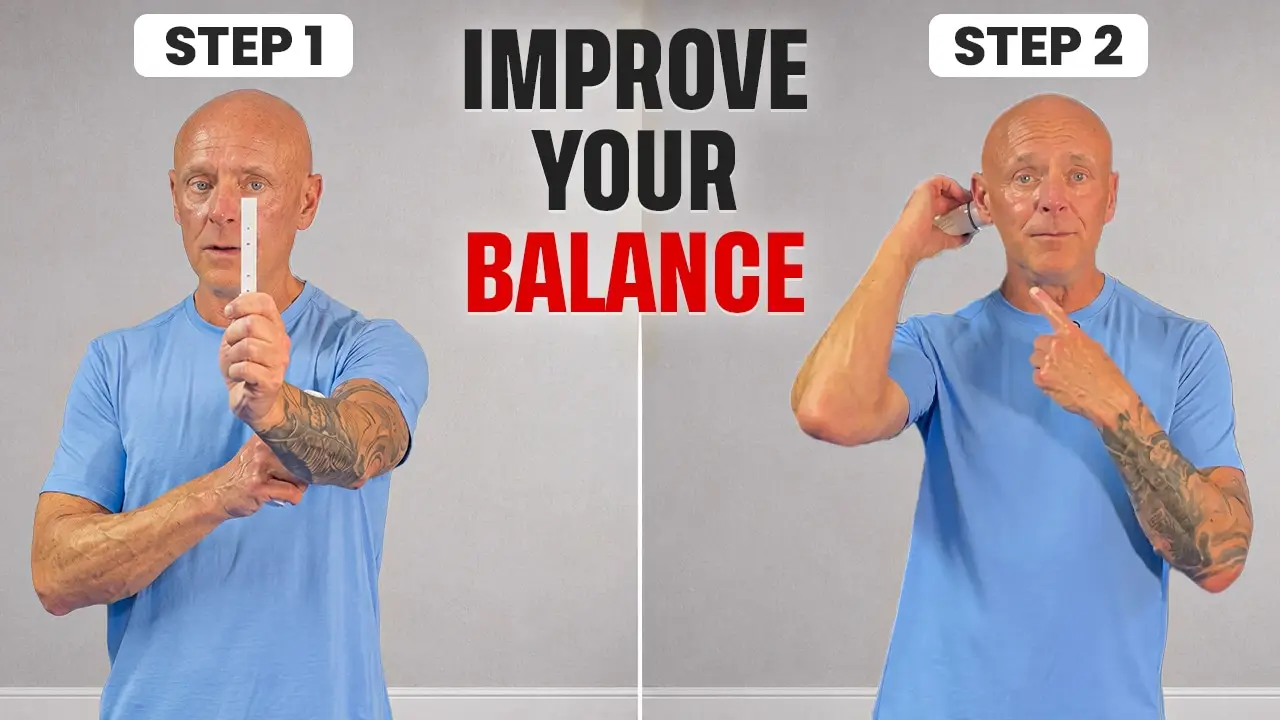
Hi, I’m Dr. Eric Cobb of Z-Health, and this week we’re going to talk about how to use a tissue to improve your pain and performance.
Hi guys, we’ve been talking for a long time in Z-Health about how the nervous system works. It works on, basically, three principles input from the body, interpretation by the brain. Then, that leads to, hopefully, really, good output. Now, if you actually track this whole system, one of the things you have to recognize is that high quality input is incredibly important to having good brain function and then good output.
Bonus Video: Sensory Before Motor: Educational Addendum
One of the things that we constantly test in our system when we’re working with clients and athletes if they’re in pain or if we’re working on performance, is we want to know is their sensory input equal and symmetric. Because one of the things we want to be really, aware is that if I’m walking around and I can’t actually feel a part of my body with a high degree of clarity, that’s actually going to have an impact within the brain. Whenever it impacts the brain, that’s then going to impact my movement.
What we find is that most people, particularly, if they have a body part or area that they’re struggling with, in most cases, we find that the sensation there, just like the ability to sense maybe a tissue on the skin is somewhat compromised. We’re going to show you a really, really simple little drill here, a simple test that you can do on yourself just to get an experience.
Now, the other thing I want to talk about in this also is a principle. One of the principles that we also talk a lot about is that whenever we’re working on the brain, the closer we are to the brain when we apply some kind of stimulus to the body, often the more powerful it is. What we’re going to show you today is how to test sensation on your face. We’re going to see if that improves your pain or your performance. I know it sounds a little bit weird. We see it all the time.
One of the things that’s hard for people to wrap their head around is this seems too simple to work. The fact is the nervous system is a closed loop. It needs really, good input. If it has lousy input, the decision-making and the output is often, compromised. The very first thing we have to do is follow the Z-Health rules. We need to have you do an assessment. For me today, it’s easy to see. I’m going to go back to my typical scarecrow testing. I’m going to check my shoulder range of motion, see how things are feeling.
Right now things are moving pretty, well. My right shoulder feels a little tighter than my left. I’ll check a couple of other range of motion. Those feel pretty, good today. I’m going to go ahead and check my neck range of motion, get an idea how that feels. All right, for me, the two tightest motions are this and rotating my head to the right. Those are going to be the ones that I’m going to see if they will improve whenever I’m doing this little exercise.
Now, you could have tested anything that you want. You can test your shoulders. You could do a forward bend, a big body rotation. If you’re really not into flexibility and mobility, you could do a couple pushups, see how hard they are. It does not matter what performance measure you’re using. I want to make sure that you’re doing something physical so that we can do the exercise and then reassess, all right.
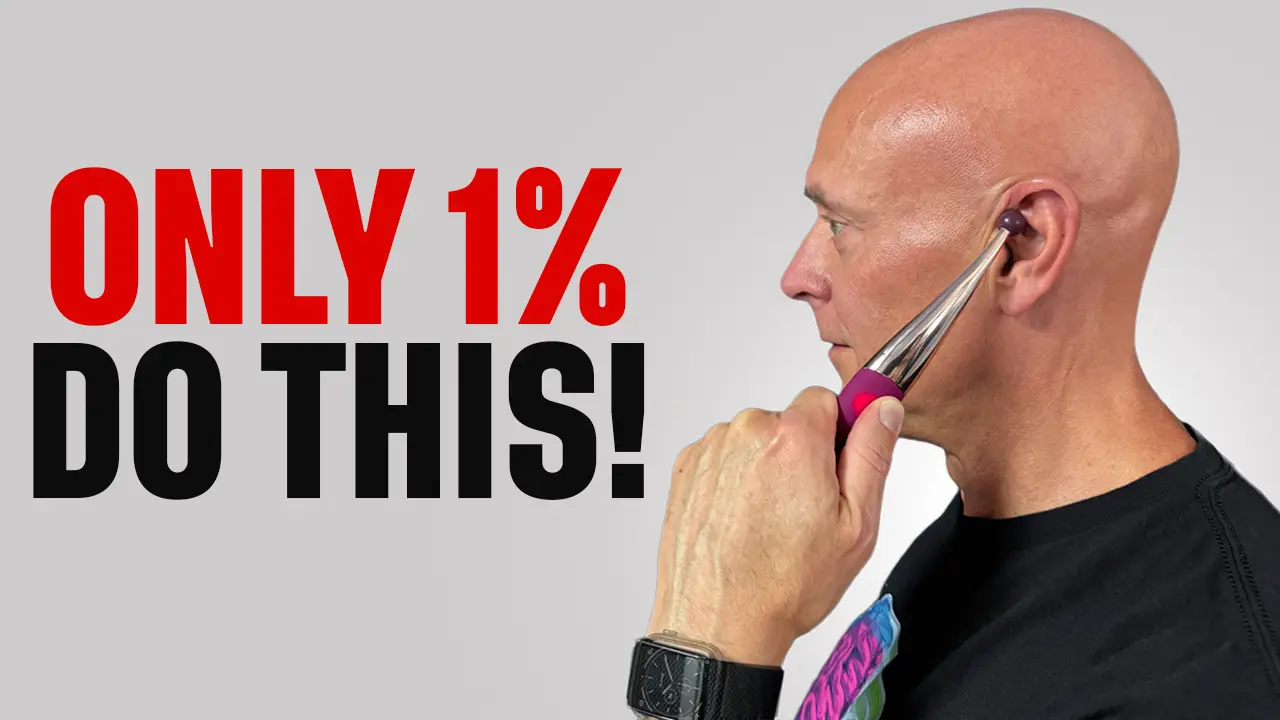
Now, with that done, what we’re going to do is we’re going to grab a tissue. Like I said, it doesn’t have to be a tissue. It can be a cloth or something. You want it to be relatively soft. I do not want you to use your finger. I want it to be something other than your own body.
You’re then going to divide your face into three areas, your forehead area, your cheek area, and your jaw line. Then, you’re going to split your face in half, all right. Now, with that mental picture, you’re going to just simply start a little test. It will look like this. Take the cloth on the right side of your forehead.
I want you to just stroke the skin three or four times and get an idea of how that feels, switch to the other side and do the same thing. What you’re trying to identify here is, is the sensation, in other words is the input to the brain the same or different, all right. Next, go to your cheek, again, three or four strokes on each side. You’re just asking yourself does this side feel like this side? Then, finally, come to your jaw line. Now even if you’ve got a beard or whatever, you still should be able to get some level of sensation.
In each case, like I said, you’re trying to identify is there one portion of my face where I feel the information coming in with less distinctness, less clarity? On my face right now, what I’m noticing is I have a little decreased sensation on my left jaw line. My forehead feels the same. My cheeks feel the same. My jaw line, I’m feeling a little less on the left side. In most cases, probably 80% of people that we test notice some at least small level of difference.
Once you’ve identified, hey, do I have some decrease in sensation, your next job is to do this. You’re simply going to go to that area. You’re going to spend about 60 seconds just lightly stroking it in different directions, all right. The whole idea here is to concentrate on the sensation because, basically, we’re telling the brain this area is really important.
You need to pay attention to it. Usually, after about 60 seconds of just focused attention, if you then go back and retest, it should feel very similar. Once you’ve done that, you go back. You retest your range of motion, all right. In my case, obviously, I got a really, good improvement in my shoulder. The neck also feels better. Hopefully, you’re going to notice something very similar.
Now, the reason that this is important is if you work with a Z-Health practitioner, if you are a Z-Health practitioner and you’re working with clients, you can never, ever forget the importance of sensory input. Sensory input by itself can be remarkably powerful in improving range of motion like you just saw or just experienced in getting people out of pain. Even though it’s simple it doesn’t mean that it’s not effective.
If you found a really, good difference with this, awesome. What we recommend is taking five to eight times a day, thirty to sixty seconds, and just keep reassessing, making sure that you’re improving from it. Now, if you found a spot in your body, maybe on your hand or wrist, and you had a lack of sensation and you did some work there and all of a sudden your movement got better or you got stronger, it’s super important practically to remember this.
You walk into the gym. You’re going to grab a towel, a little sensation work before you start your workout in between sets. Maybe you’re benching, a little more sensation work. What you’ll typically find is that if you keep going back and working on that area that’s been not getting good input to the brain, you’re going to see an increase in performance progressively throughout the training session.
Remember sensation a vital, vital concept.