Today we’re going to be talking about general fitness, falls, how to prevent falls, fall prevention, and something called the specificity theory.
If you’ve been around Z-Health for any period of time, you’ll know we talk about movement as life and one of our primary goals is remaining athletic for life. We’re huge believers in people as they age maintaining mobility, maintaining strength and being as active as possible, but there’s something I really want to cover with you.
We’ve been talking about this for many years, the simple idea is that you get better at exactly what you practice. It was a study published in December 2015 that illustrates this really, really well, particularly for an aging population. Let me just share this with you really fast and then I’m going to give you some specific ideas about what to do about it.
Study: http://gemini.no/en/2015/12/
In, again, December 2015, a study was published in Norway and, basically, what they found out was that they took people over 65 who were much fitter than their contemporaries. These are people over 65, they actually range from 65 to about 83 who cross-country ski, who mountain-climb, who hike, who do all kinds of stuff. They do a lot of exercise throughout their life and the researcher said, “We wonder if being generally fit actually prevents falls”.
They took this group of people and they put them through a standard series of balance tests, they’re really well known in neurology and physical therapy, and what they found was that these generally fit, or much fitter, than their contemporary folks actually failed the balance test at exactly the same rate as their couch-potato friends. The conclusion that they drew was really important because it’s related to something that we call the specificity theory.
The specificity theory, basically, states that we get better at exactly what we practice. Which means that if I’m involved in a general fitness routine, I go to the gym, maybe I do some running, I ride my bike, I go hiking on the weekends. That’s all fantastic because it will keep me strong in some ways. It will keep me mobile in some ways. It will give me endurance for some things, but it will not necessarily improve my balance.
Why is this so important? If you look at statistics around the world, 65-year-old folks and older, about 30% experience, at least, one fall per year. That’s related to, probably, loss of strength, changes in the visual system, but particularly changes in the inner-ear, medications, there’s a whole host of things. That generally doesn’t sound that bad, but when you take the statistics one step further, about 40% of injury-related deaths in that age group come from falls. We’ve talked about this in the past. Falling is not that mild a thing for some people because your most important organ lives up here, it’s really far from the ground and a fall can be absolutely devastating.
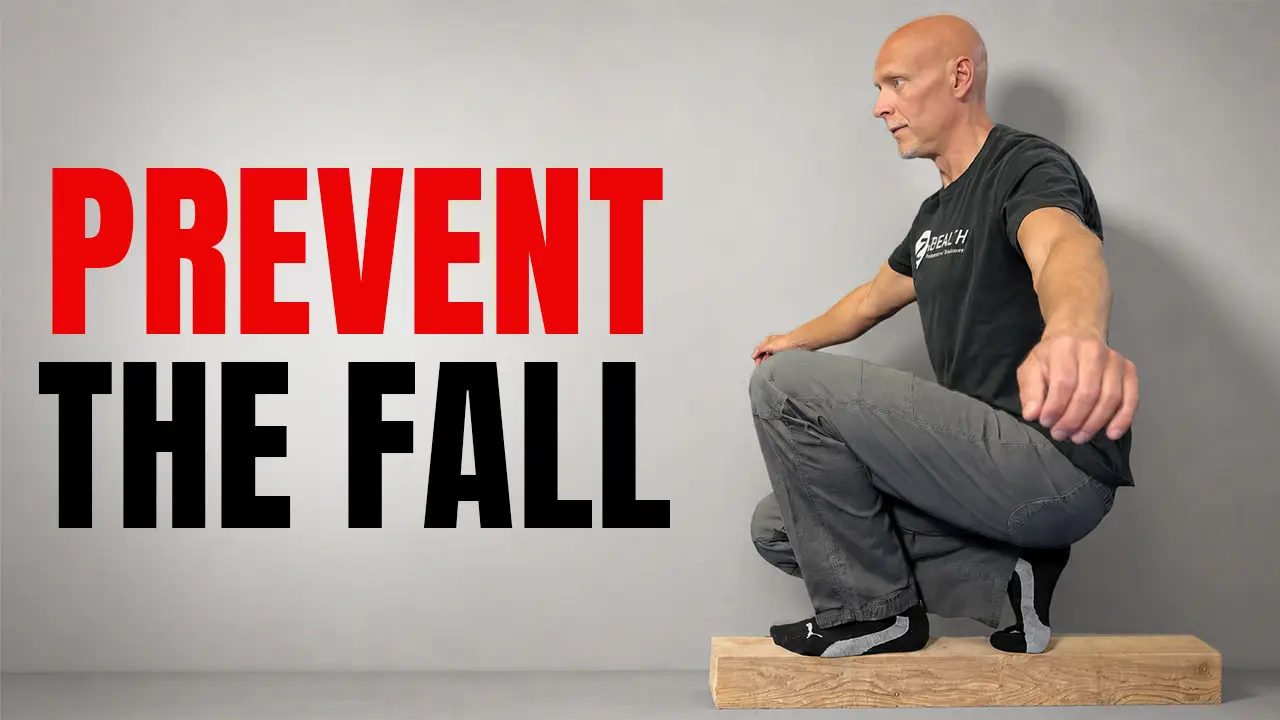
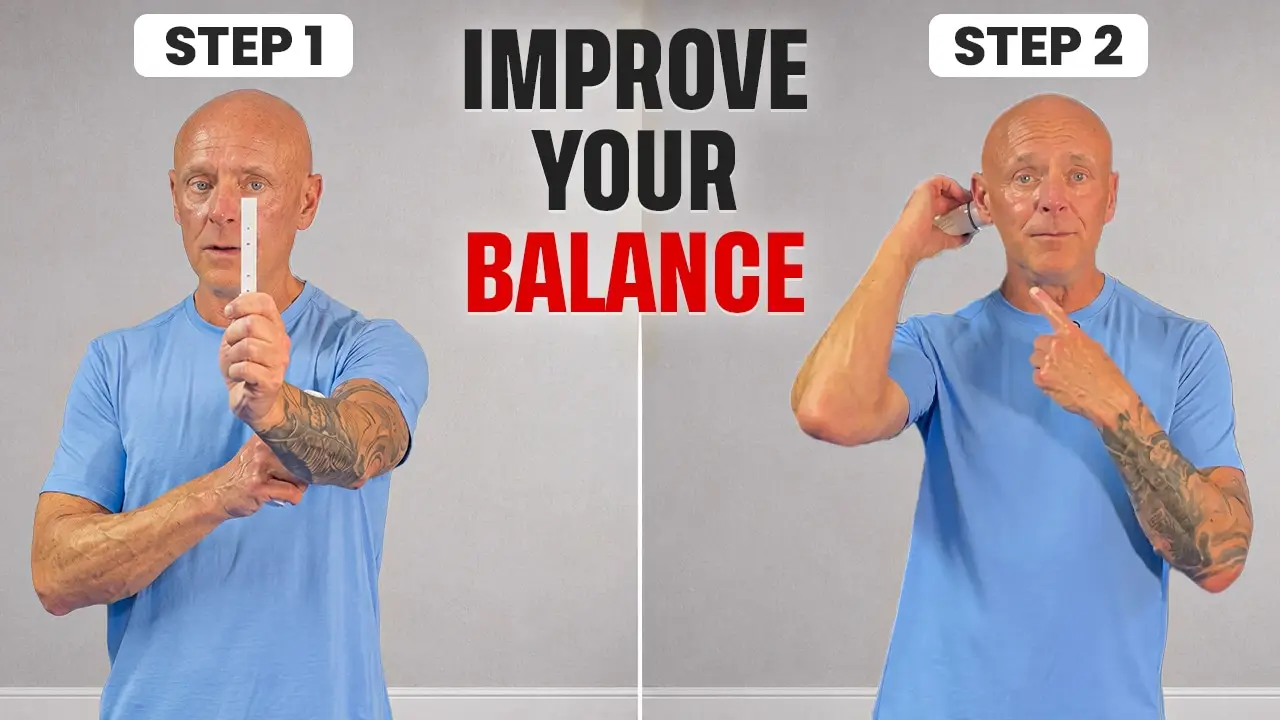
What does all this mean? It’s pretty simple. It means that if you want to have better balance throughout your life, you have to practice balance throughout your life and you just can’t assume that being generally strong and generally fit is always going to improve everything because the body and brain don’t work that way. If you’re not familiar with balance exercises, we have a ton of them in our system. We actually have something called the Balance Gym, which is a graded progression of exercises that you can go through, assessments and skills that you can work on to really improve your balance over time.
The big thing that I want to share with you again, it’s 2016, people are out making resolutions and trying to get fit and do a lot of different things. Please don’t ignore the three pillars of fitness. Those are your visual system, your eyes, your balance system, your inner ear, and then your movement system, which is the rest of the body. If you want to be healthy for your whole life, you want to be athletic for your whole life, we need to find chinks in our armor and fix them. The way to fix them is to focus on them, specifically, rather than hoping that everything will get better just from doing general activities. Practicing balance exercises specifically is crucial if we want to prevent falls and maintain overall fitness.
That’s just a little public service announcement for the beginning of 2016. If you have any questions about this, please let us know. Also, please make sure you check out some of our other blogs where we give you a wide variety of basic balance exercises that you can play with. Thanks.