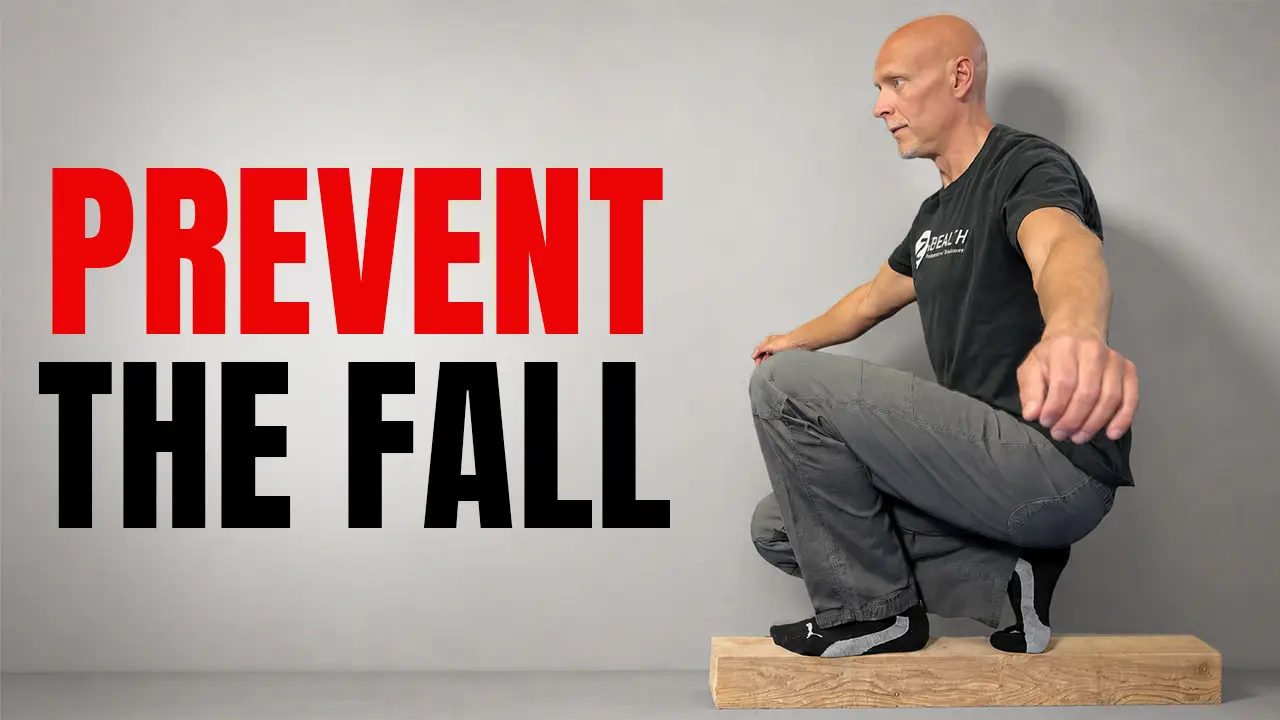
Today we’re talking about falling, particularly, falling backwards, and a couple of exercises that you need to include in your program to help prevent that. The reason we’re talking about fall so much is that we have our live and live stream course coming up in June in Las Vegas. It’s called Defying Gravity, and it’s about modern fall prevention and fall preparation.
Whenever you start to dig into the research literature on all of this, basically what we learn is that falling in different directions causes different injuries. No big surprise there, but one of the ones that we are primarily concerned with is falling backwards. Why? Because if we look at the morbidity and mortality statistics around all this, basically we’re looking at what parts of the body get injured when you fall backwards, hips, pelvis, spine, and head. In fact, most traumatic brain injuries occur from a fall backwards. Now, we as brain-based practitioners are always trying to say that we need to be very specific, right? So it is not enough to talk about fall prevention. We have to talk about backward fall prevention and sideways fall prevention and forward fall prevention.
And then we have to talk about preparing for each one of those because eventually we are probably gonna fall. So one of the keys is beginning to understand and develop awareness around your ability to recover when you lose balance. And so I’m gonna take you through a quick exercise.
Here’s what it’s basically gonna look like. You are gonna stand, and all that I want you to start off with is a little bit of a forward rock, and then a very slight rock backwards until you just begin losing your balance. And you’re gonna take a step. This should begin very minimally, right? Obviously, you’re gonna do it in a safe space, not like I’m demonstrating here where there’s metal objects to fall on. I just want you to be smart about it and put down mattresses or a lot of, you know, soft dogs, whatever you need to in case you do lose your balance. But start safely. You can even hold on to things. But we want to start with that forward rock, and then again, a light backward rock until we begin to lose our balance. And we’re gonna take a step. Then we’re going to alter that by looking over our left shoulder, beginning to fall backwards and take that step. So it’s now gonna take us on some angles, and I’m gonna look over my right shoulder, rock back, and take that step. I want you to do that 15, 20 times and just start to build some awareness again of where do I begin to lose the ability to stay upright.
Once you have achieved that, we then want to if increase momentum, if you’re able. So now what that would mean is I’m gonna take a step, begin to fall back, and then catch myself. What most people will discover quite quickly is that when they add the momentum to it, they will want to begin to turn. That turning and that awareness of your desire to turn is very important because a lot of backward falls eventually turn into sideways falls.
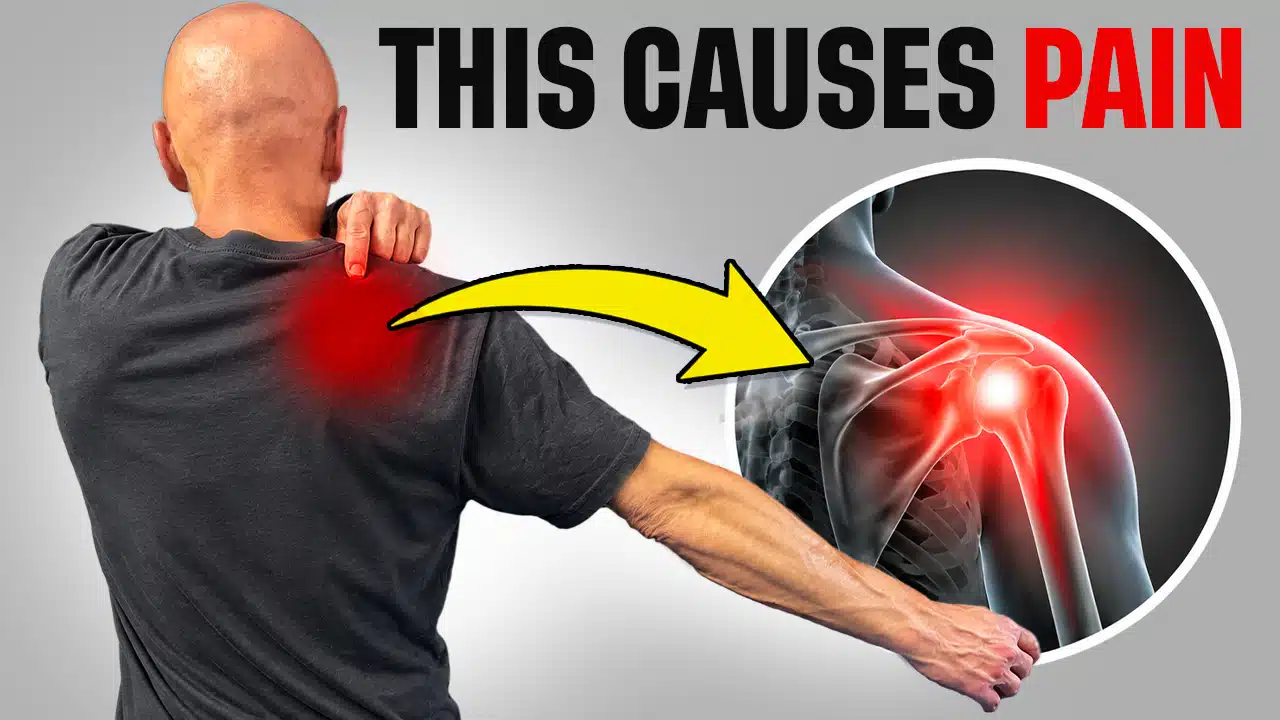
Sideways falls are generally where we’re gonna see the largest number of hip fractures, shoulder dislocations. And obviously if you’ve worked with an elderly population, particularly hip fractures are enormously important. And in fact, 95% of hip fractures in an older population come from falls, and about 80% of that is from falling sideways.
So beginning to work on a safe awareness and understanding of when do I lose my balance going backwards, how can I begin to work on increasing my ability to catch my balance, to rotate, to grab onto something, whatever I may need to do? This is a key initial step in preparing for that backward fall. All right, so this, again, just a super simple exercise. Do it safely, do it intelligently. But more than anything, take from this that it is not enough to say, I’m gonna teach people how to fall and only teach them one direction. You gotta learn how to fall forward, fall angularly, fall sideways, and fall backwards, and do all of those in a way that’s gonna minimize injury. And that’s really what this whole course is gonna be about. On top of bringing all the pain and neuroscience stuff about the eyes and inner ear breathing, and how all those different things are gonna fit into a fall prevention and fall preparation course.
All right, if you have any questions, you can email us. I’m gonna put the landing page below as well about that course. So you can check that out. And please remember, if you are a movement professional, you’re interested in high level brain-based training and how to integrate what you’re already great at with modern neuroscience, make sure to subscribe to the channel and look at all of our other free content. Thanks.