We’re gonna talk about neuromechanics today or nerve flossing. If you’ve been on our blog for a long period of time, you’ve probably seen a ton of different neuromechanic exercises as we teach them. So today I want to talk about a process and some current research that’s out there about how to get the biggest value out of them.
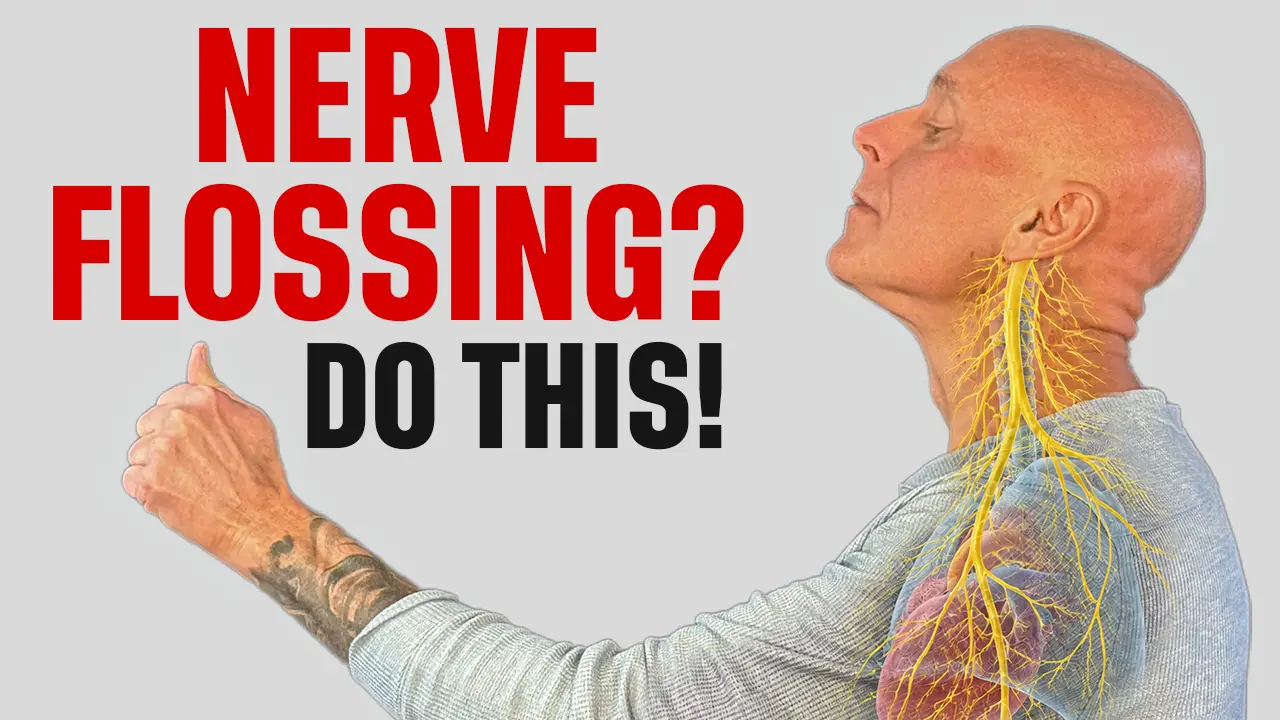
So number one, if you don’t know what nerve flossing is, or as we refer to them, neuromechanic drills. These are exercises that are specifically designed to tension peripheral nerves and the spinal cord in order to make sure that they are moving through the surrounding tissue well. Now there’s more that goes into this, however, because when you really dig into the literature, what you start to see is that whenever we do nerve tensioning exercises, particularly, we are influencing the activity of the nerve at an immune system level. We can see changes happening immunologically within the spinal cord in the brain. We also know that peripheral nerve health and function has a huge impact on muscular activity as well as bone activity. So if you have people that have osteopenia, if you have people that are trying to recover from a fracture, etc, etc, There’s going to eventually be in the healing process a time whenever we need to work on the nerve specifically.
The other thing that’s coming up is, because this has become more popular and we have things like YouTube and Instagram, and forgive me for being a little bit Impolite, but they became overnight experts in nerve flossing. So they would start to teach people how to do this. And because this initially kind of came out of a physical therapy and chiropractic realm, many of the initial techniques were something that a therapist or doctor like me would do to someone.
So they’re laying on the table and I’m positioning them and I’m moving their arm or their leg in a certain way. And I’m going very carefully into a nerve tensioning position. And that’s important because these things are really sensitive and it’s really easy to hurt someone if you overdo it. So what happened I believe as a part of that is many practitioners and people who were a little nervous about hurting themselves or someone else moved away from what are called tensioning exercises where we’re tightening both ends of the nerve and instead they moved more toward flossing which is where we are taking tension off one side while we add it to the other side.
So it’s like flossing your teeth. Fantastic tool. I love nerve flossing, but whenever we look at the literature in this, what we are finding more and more is that nerves also need tension in order to be healthy. And whenever we think about what happens in the real world, nerves are going to be under tension whenever we’re doing different things.
So we need to train both. We have to move the nerve through the tissue, floss it, and then we need to tension it. And what we are seeing, again, in a few literature pieces out there, is that many people need to do more tensioning than flossing and they need to do more repetition of tensioning than they initially thought.
There was some interesting studies that came out of Korea last year, two years ago, and they found the best results for some of their clients arrived whenever they were doing around a hundred mild repetitions of tensioning per day. So I’m going to show you a quick way to acquire that in three to four training sessions, in a, in a given day.
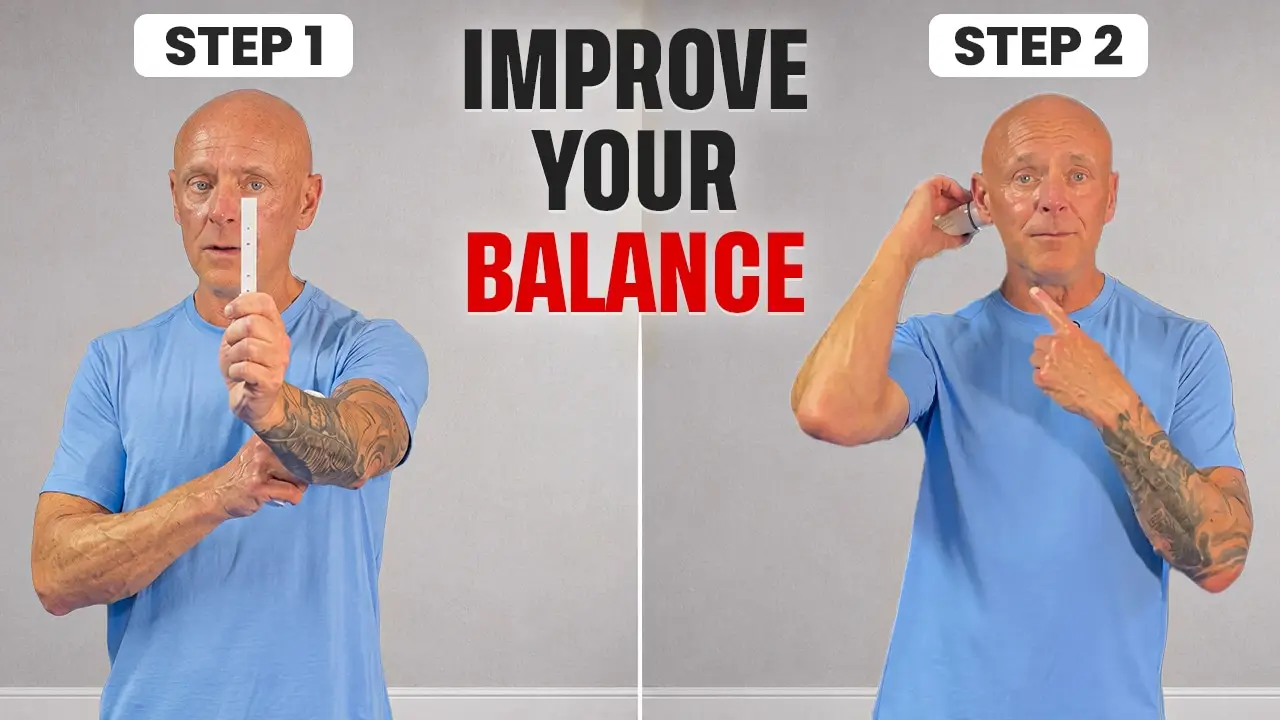
So what we’re going to work on together is we’re going to work on our radial nerve. The radial nerve is going to innervate, our tricep, our extensor muscles, the back of the hand. So whenever we are working on the radial nerve, here’s our basic positioning. We’re going to take our thumb, we’re going to put it across our thumb, or across our palm.
We’re going to flex our wrist. If you want to, you can even add a little bit of finger flexion. You’re going to lock your elbow, turn your shoulder in, internally rotate from the glenohumeral joint. You’re going to lift your arm out to the side, you’re going to depress your scapula, tilt your head away while you’re maintaining all the rest of that stuff, and when you get there, you should be feeling kind of a nervy sensation running around your tricep, across the back of your forearm, maybe all the way down into your hand or thumb.
The other key piece is I said low grade tensioning. If we’re going to do 100 reps, we can’t do a 10/10 tension. So you need to keep the stress or the sensation that you’re feeling at what we typically tell people to be a 3/10 level. We’re not going to go for intensity. We’re going to go on and go for volume.
Now, as you’re doing this, if anything starts to feel weird or painful or you’re getting a lot of buzzy sensation, you stop and you give yourself a chance to rest. But here’s how I want you to acquire some repetitions. We’re going to sequentially go from the top down. So I’m going to get into my basic position, thumb across my palm, flex my wrist, lock my elbow.
Turn my shoulder in, take the arm out to the side, pull my shoulder blade down, tilt my head away. Now from here, first thing I’m going to do is I’m going to push my head up toward the ceiling. I’m going to try and do that from the bottom of my neck. So I’m going to do that for five reps. One, two, One, two, three, four, five.
In each case, I feel a little increase in tension as I’m really reaching for the ceiling. So that’s my first five reps. Now I’m going to tilt away. One, two, three, four, five. I’m at 10. I’m now going to pull my shoulder blade down. One, two, three, four, five. I’m now going to turn my shoulder in and out. One, two, three, four, five.
I’m going to bend my elbow and straighten my elbow. One. One, two, three, five. I’m going to bend and extend my wrist. One, two, three, four, five. Hold everything in place. And now I’m going to flex and extend my fingers. and my thumb. All right. And as I do that, whoo, that’s pretty intense down there and relax. So five, 10, 15, 20, 25, 30, 35 reps.
And that took about, I don’t know, 45 seconds, maybe as I’m talking you through it, everything was at a 3/10 level or less for me. Except when I got down here, I’ve got a little bit of tension in my hand. That is a fast way to acquire some really really quality repetitions and you’re working through the entire chain of that nerve if you understand neuromechanic drills as we teach them.
This is a process that you can apply to literally every single nerve that you know. We teach 16 in our T-Phase course. There’s more out there. There’s now a really cool one for the vagus nerve. There’s stuff for the phrenic nerve. So more and more of these exercises are being created and proven in labs to be effective.
And they are incredible tools for pain, for movement for performance. Alright, just have to make sure that you understand how to use them. This is one of the greatest ways to do it. Just make sure you do it really, really carefully. If you’re new to Z-Health, we’re a brain based education company. We work with coaches, doctors, and therapists all over the world.
So if you’re interested in bringing cutting edge neuroscience into what you do, make sure to check out the channel, subscribe, check out our free resources. Uh, and hopefully you guys really enjoyed this and got a lot out of it. Just make sure that you think through the process and apply it to everything that you’ve already seen.
Want to learn more? Check out our free mini course.