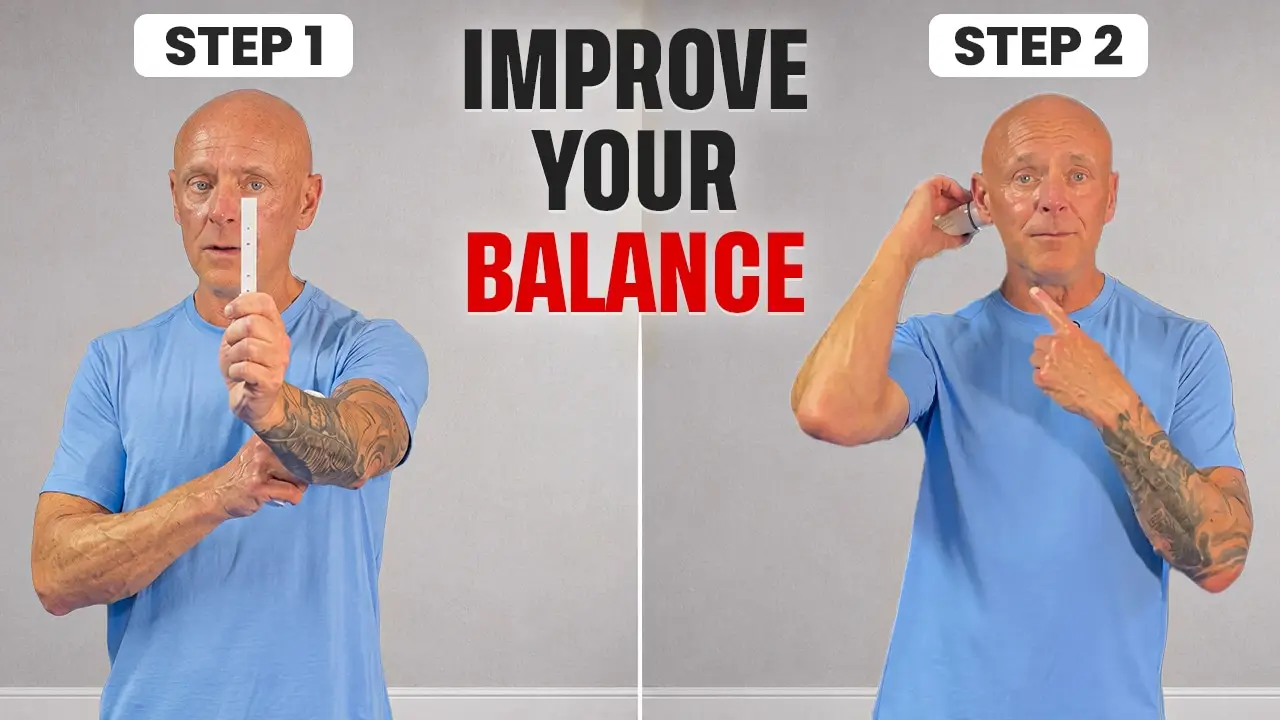
Bad balance can make you anxious, depressed, and actually impair your memory. I know this may sound a little bit crazy, but we have said over and over that the inner ear plays an enormous role in who we are as human beings. It’s the first neurologic system to develop whenever we are growing in our mother’s belly, and it tells us everything that we need to know in the beginning about gravity, the most consistent force that we’ll face throughout the course of our lives.
So when your vestibular system is dysfunctional, your inner ear, we have seen now this big study that just came out looking at 63,000 people, and what they were doing, they were comparing normal controls to people who had kind of known vestibular dysfunction. And the process of this research was to look at vestibular problems and see if anxiety, depression, and the use of antidepressants were higher in the people that had vestibular problems versus those that did not, and guess what? It did.
Now, this for us is a huge finding in the research literature, because we’ve been saying this for many, many years, because we’ve seen it over and over and over. If you are a movement professional and you have clients that are struggling with anxiety, they’re struggling with depression, they may never complain to you about vertigo. They may never complain to you that, ah, I lose my balance regularly. They may not even look uncoordinated or somewhat clumsy in movement, but what we are seeing more and more are what is called a subclinical vestibular dysfunction, and that can coexist and in many cases drive anxiety, drive depression, and as I said, it can even impair memory.
Now, before I talk more about this, if you are a movement professional, you’re interested in blending neuroscience into what you already do, you can click the link, you can email us. We’d love to chat with you because we are always looking for elite movement professionals, doctors, coaches, and therapists who are interested in blending this kind of information into what they do.
Now, back to the story. Whenever we look at the inner ear, as I said, it is giving us a couple of clear, hopefully, pieces of information. Those pieces are, which way am I going? Forward, back, side to side, and which way is up? Now, when the vestibular system begins to dysfunction, remember, I said, this is a system that develops first, so whenever it is dysfunctional, all of a sudden, our relationship with gravity, which is the most consistent force in our lives, becomes less precise. Your brain requires precise prediction in order to move through the world safely, and whenever your brain feels unsafe, guess what it creates? It creates anxiety.
So what we see often is small vestibular dysfunctions drive anxiety. Now, anxiety for a lot of people, there’s levels of it, we know that. If your anxiety is not strong enough to prevent you from doing things that your brain considers dangerous, guess what? Anxiety can then often cascade over into, I feel really depressed, and I become fatigued, and I become lethargic, and I don’t enjoy things anymore. All of this makes complete sense when your brain doesn’t trust movement.
So again, as movement professionals, we have to ask people questions. We have to find out what’s going on with them because it may help us pinpoint exactly where we need to look in the system and figure out, okay, do we need to actually rehabilitate your eyes? Do we need to rehabilitate your inner ear? Because that may be the big driver that’s causing all the collage of symptoms that people are experiencing.
Now, finally, if you have clients that are complaining about cognitive changes, they say, oh man, I just can’t remember things like I used to, I can’t find my keys anymore. In that big study that we were discussing, 63,000 people, they indicated this. They said, not only do we see increased levels of anxiety and depression, increased use of antidepressants, but we also saw a very positive correlation to vestibular dysfunction and cognitive changes. The number one area of cognitive change was memory.
When we look at the neuroanatomy of the inner ear, what we see is that the inner ear interacts tremendously with what is called the hippocampus. Hippocampus is a key piece in our memory storage and retrieval system in the human brain. Once again, we’re seeing if we have poor balance, even if we’re not really aware of it, that can equate to anxiety, depression, things like memory loss, changes in cognition. It’s crazy because this is something that movement professionals can identify and you can help rehab with very, very simple exercises.
Again, if this is of interest to you, if this sounds like it’s describing you, if it’s describing your clients, you need to make sure that you’re diving into this information more. Again, coaches, doctors, therapists, please subscribe to the channel. Make sure you’re looking into this and say, okay, is this something that would make sense for me to try to blend into what I already do? If you want to, click the link. We’d love to talk with you about it and subscribe to the channel because I’m going to continue to discuss vestibular dysfunction and what to do about it very soon.