Hi, I’m Dr. Eric Cobb of Z-Health Performance and today we’re going to talk about the relationship between forward head posture and ankle stiffness. This is one of those weird things that has shown up in the science for a while and I think it’s very important for people to understand not just a relationship between the neck and the ankles, but really the whole body. If you are new to Z-Health, we are a brain-based education company. We work with doctors, therapists, and coaches around the world, so if you’re interested in that type of information check us out, subscribe to the channel, etc.
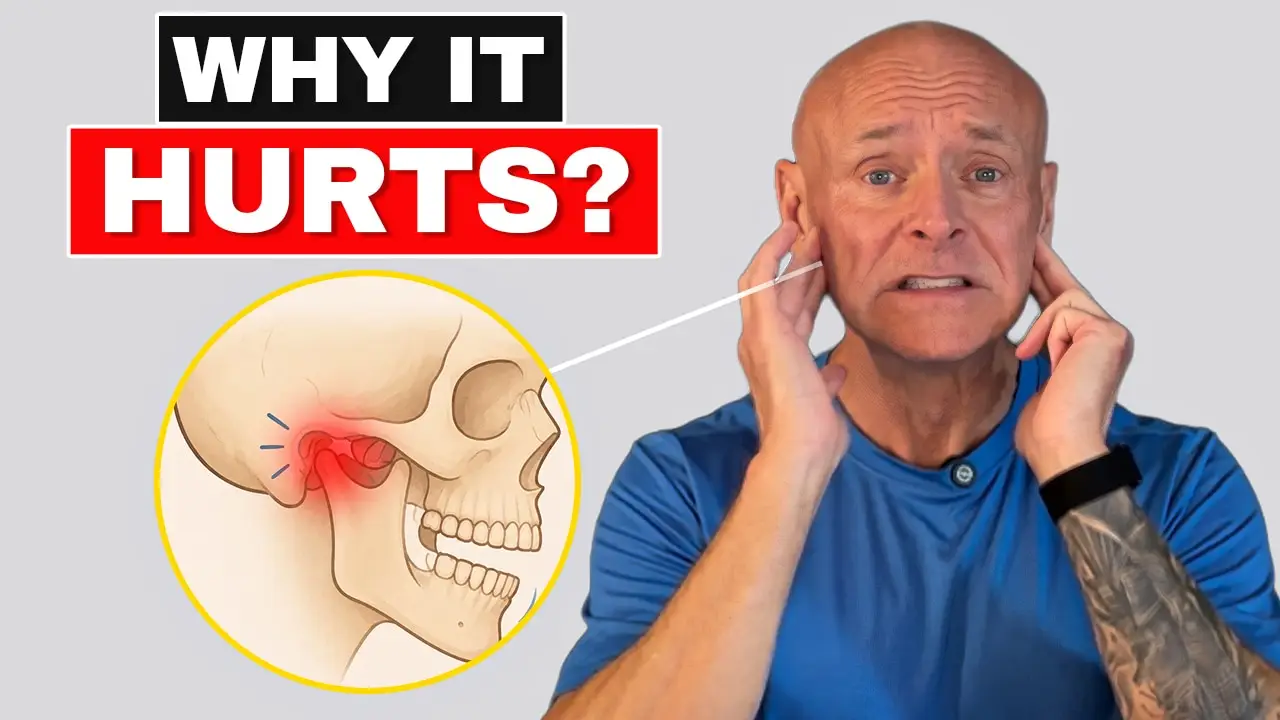
Now, whenever we talk about brain base, what does that mean? It means that we’re going to individualize what we do with people based off what we assess with them, particularly looking at how the brain is interacting with the body. And in this particular case, we are not only talking about the brain, we’re also talking a little bit more about biomechanics. So as I’ve been discussing previously, there’s a lot of interest in forward head posture for decades or millennia we’ve talked about posture and pain in the neck and as I’ve said many times, there’s very little research evidence that we can look at that directly correlates forward head posture with neck pain but that doesn’t mean that it doesn’t impact us. What we often see is that when people have a forward head posture, they have alterations in the vestibular system; in their dynamic balance capacity. But now I want to talk today about a study that clearly shows that forward head posture can actually increase ankle stiffness and in fact I’m probably going to include it in the video so you can check it out for yourself. But here’s the basic idea; whenever we think about the human body right we need to be a fairly stable unit as we’re moving through the world which means that gravity can either be our friend or a little bit of an opponent. Wo whenever I transfer my head and neck forward, it’s going to cause my body to shift forward slightly. Normally when that happens; my plantar flexors in my ankles that push my toes down toward the ground will typically tighten. As I do that, you can stand up and try it. Get into a nice tall posture. Notice how much tension you’re feeling in the bottom of your feet and in your calves and then drive your chin forward. And as you drive your chin forward, you might feel a shift of the weight slightly forward and maybe some increased tension in the bottom of your feet or in your calves. So mechanically there’s this discussion of, we have gravitational forces acting on us that will stiffen up the ankle. A lot of people from the fascia world will also talk about the interaction between head and neck position and different chains of the fascial system; that being related to ankle stiffness. From a brain based perspective there are a lot of other explanations that may also play a role in this.
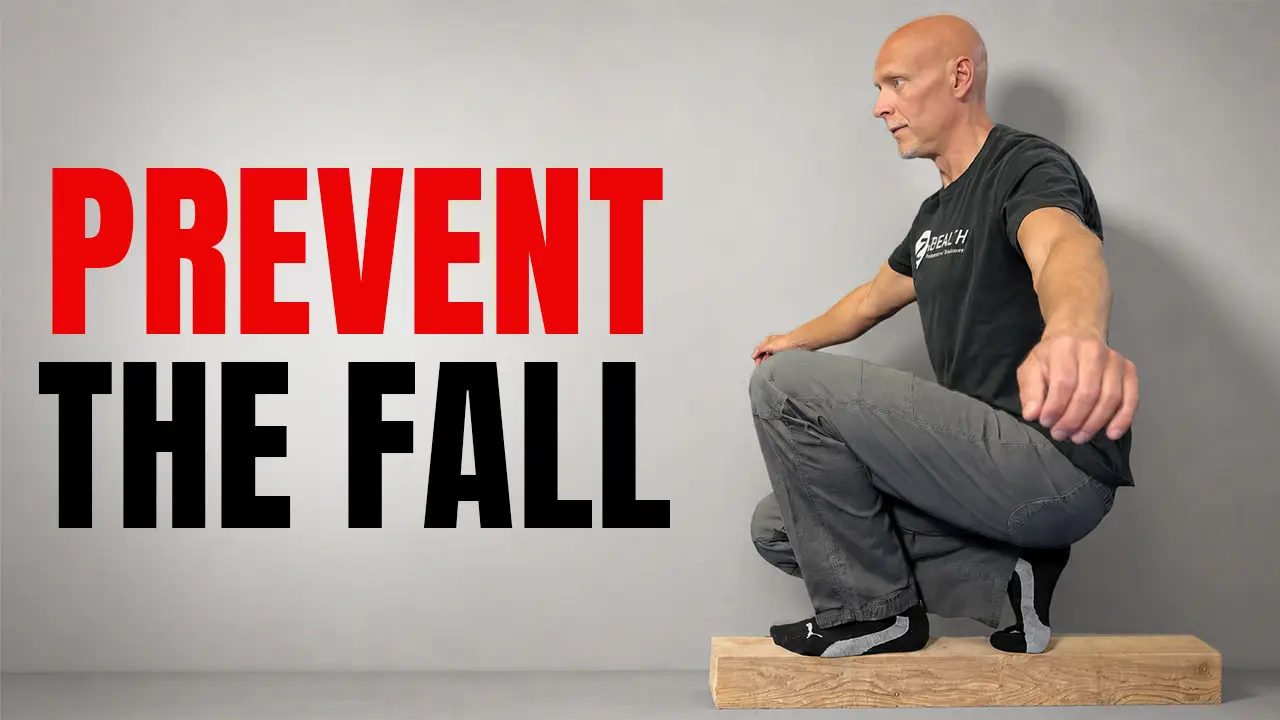
Basically whenever we have an altered head position we are also going to be altering the quality of the input into the vestibular system. The vestibular system is important for us in regulating muscle tone between the front front and back of the body; to keep us upright. So if for any reason my brain feels threatened by a specific head posture and eye movement or something else; typically we will see increased tension developed in both on both sides or the compartments of the leg which will generate stiffness. Now, I can talk about this all day and other stuff but it’s most important for you to feel it, so here’s what we’re going to do. This is the easiest way to teach this to a client. I normally am going to have people work on a full squat if they are capable. Obviously, this is all to comfort level. If they have any difficulty with a full squat, you can still feel this in a quarter squat or half squat but it requires a little bit more awareness. So given the opportunity, I will use a full squat. The way that I typically will do it with a client iIs we’re going to use some kind of platform, a couple of bricks, a very very relaxed dog, whatever you need because you’re going to need to elevate your heels. S o I’m going to elevate my heels (typically between two and three inches off the ground) just so that I’m comfortable going into a deeper squat. So first thing I’m going to have you do: elevate your heels, stand as comfortable as you can. Notice I’m doing this with a narrow stance and I just want you to go all the way down as far as you comfortably can and notice how much tension you feel in your ankles and then I’ll have you come back up. I’ll demo that from the side just so you can see it. Again, heels are elevated, you’re looking straight ahead, you’re as comfortable as you can be and you’re going to drop down into that squat and come back up. Now, once you’ve warmed that up and you have some awareness of how much stiffness you have in your ankles we’re now going to add in some changes, intentional changes to the neck position. So I’m going to go back here; this time I’m going to drive my chin forward a little bit even if I already have a posture a little forward. Head posture, I’m going to exaggerate it more. I’m going to try to hold that exaggerated position as I go down into that squat. And as I get down there I’m going to notice what I feel in my ankles, what I feel in the front of my shins, and also what I feel in the rest of my body. Most people, as soon as they drive that head and neck forward will feel an increased almost pinching sensation in the front of the ankle. So this is a really great way for you to again start to go, “Okay is there some correlation between what I’m doing with my head and neck and what I’m doing or what I’m experiencing in the rest of my body.” So again, the goal here: drive the head and neck forward, go into that squat notice what you’re feeling.
Alright, now from there we want to find a more optimal position for you. Experiential learning is a key part of brain growth. If you want to change the brain we need to give it different experiences and have the brain be aware of what it is feeling. So now we’ve done kind of a normal squat for you. We’ve done one with an exaggerated forward head posture now we’re going to try something different.
Back to your bricks or whatever, bend your knees slightly, tuck your pelvis, so you’re going to roll your tailbone under. From here, I want you to drive your ribs down a little bit so just exhale pull them down toward your pelvis so that we’re nice and comfortably stable here. And I want you to now just tuck your chin. I don’t care right now about retracting just tuck your chin a little bit; get a little bit of stretch in the upper cervical spine. Alright, then you can hold all that come back to that straight knee position and then drop down into the squat. Most of the time what you will find is that that releases a lot of the tension that you’re feeling in the front of the ankle, comparatively. So come back up from the side, bend the knees, post your tilted pelvis, bring the tailbone, the ribs down a little bit, tuck the chin, and go down and test and then back up. Obviously, once you start playing with this kind of over exaggerated, under exaggerated, over exaggerated, underexaggerated positions; you typically will find that there’s a happy medium where you are most comfortable performing that movement. This applies not just to squatting but to pretty much everything that you do. The reason that I’m focusing on the ankles is that as I said I’m just going to show you this study that’s quite interesting that clearly demonstrates that that forward head posture can interrupt some of our more efficient ankle mechanics through generating tension.
So I hope you find this really interesting really useful please explore this, explore it safely and feel free to play around with your head and neck position your spinal position until you find that spot where it feels virtually effortless for you to drop down into that position and come back up with as little tension being felt throughout all the joints in the body.