Today we’re gonna talk about using a well-known test of the cerebellum to work on your cognitive capacity. I know this sounds a little bit weird, but in Z-Health, because we spend a lot of time, obviously as a brain-based company, teaching people how to do neurologic assessments. One of the things we have a big focus on is the cerebellum.
The cerebellum, this little brain at the back of the big brain. And it is incredibly complex and it is involved in everything we do as human beings. But one of the things that we do know for sure, that a lot of people are already familiar with is that it’s highly involved in coordination of movement and movement accuracy.
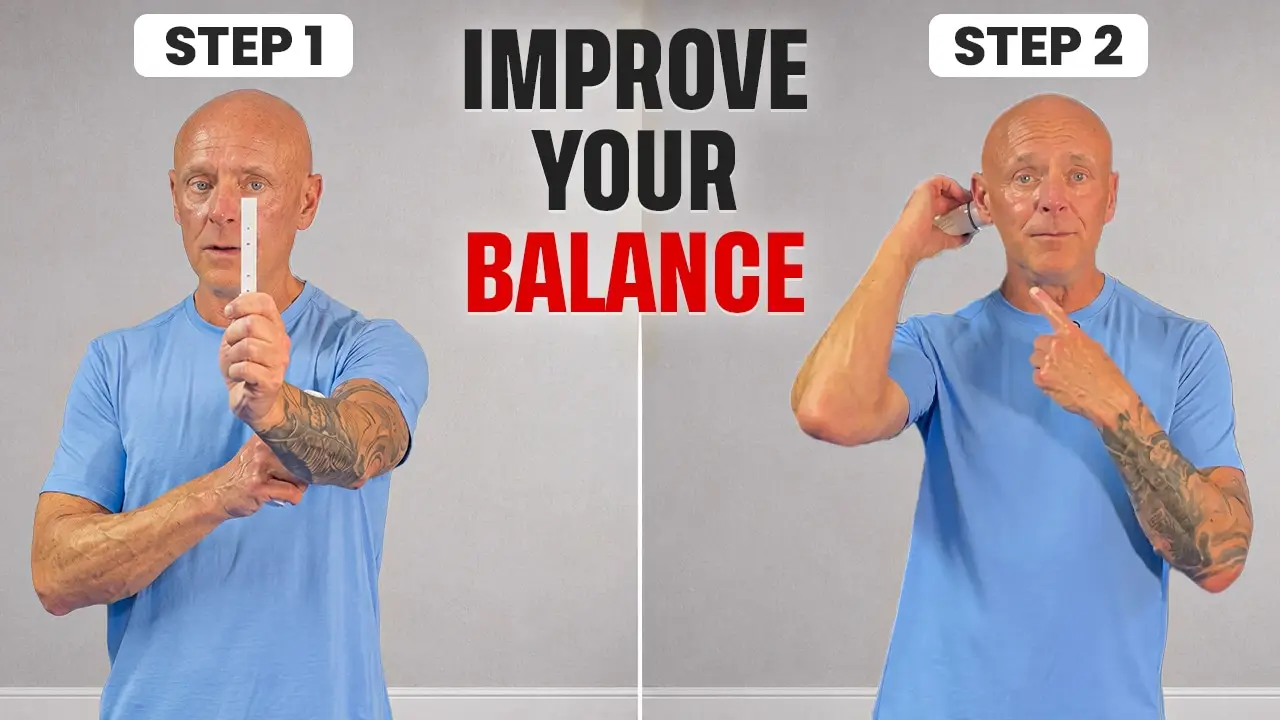
So a basic test of cerebellar function is basically having a patient or client stand, an athlete stand with their feet together. You have their arms out to the side, you then have them close their eyes, and as the coach, you tap on the tip of one finger. Now whatever finger you tap with their eyes closed, they want to bring that finger in and touch the tip of their nose, right?
And then you go to the other hand, maybe you do the thumb and you give them the instruction. Do not miss. Right? So bring the tip of the finger to the tip of your nose and do not miss. What we’re looking for in this test is we’re looking for smoothness. ’cause a lot of times what you’ll see, people that have a cerebellar problem, as they’re coming in their fingers will tremor a little bit, or they’ll be inaccurate.
They’ll miss, they’ll hit their cheek, they’ll be above the tip of their nose. Sometimes I’ve seen people hit their eye, and the big deal here is that we’re testing the right side cerebellum when we move the right arm. Left side cerebellum when we move the left arm.
Now that’s a basic test. When it is done, you’ll almost always see people following the same path. From the periphery to the nose, regardless of the hand involved, whatever path they start with is the one they usually will stick with. So we like to use this now as a cognitive training tool. We’ve been talking about, implementing cognitive training. With your clients, working on what’s called thinking while moving.
Within that, we have these subdomains, right? We have what’s called cognitive flexibility. In under cognitive flexibility we have what is called design fluency. Design fluency is your ability to create on the fly, right? To be able to do things in a different way, to try and kind of accomplish the same result.
So in this test, the result is supposed to be the tip of my finger touching the tip of my nose. So the way that we turn this into a cognitive training drill is this. You have your athlete stand, or you can just do this yourself. You have your eyes closed. Your coach will, let’s say tap my, tap your right ring finger.
Now you can start off by doing your typical touch the nose, but then if they tap another finger on your right hand, you now have to get to the tip of your nose, but change the pattern to get there. Then the next finger, you have to change the pattern again. So the challenge here is that every time a finger is touched and you go to touch your nose, you have to follow a different pattern.
That can be a bend. You can do circles to get there. It doesn’t really matter. The point is design fluency do it differently every single time. But then you’re also trying to see can you maintain accuracy and precision with these new movement challenges. So if you want to think about a way to increase the challenge for the brain, yes, this is hard enough, but if I now say, okay, do it differently every single time, that movement requires even more activity within the cerebellum and the frontal lobe to make sure that that movement is precise. And it is a fantastic way to challenge the design fluency aspect of cognition, combined with giving you a really clear insight into their right side cerebellum, their left side cerebellum, and their ability to adapt movement on the fly.
So this is one of our favorite little drills. If you set your timer for 30 seconds to a minute, if you’re doing this at home, you just stand there, eyes closed, and you just go finger by finger. Left index finger, do something right, index finger, do it differently. Left middle finger. Right middle finger.
It doesn’t matter. Like I said, you have to make sure that you’re changing every single time. And see, make sure you’re testing your actual level of accuracy because you find that your, let’s say left side is less accurate. It trembles a little bit and you miss more often. Guess what? You need to work on that left cerebellum.
So double the amount of repetitions probably you’re doing on this side, along with looking into all the other things that might go into that, your inner ear, visual system, et cetera. All right. Really, really fun way to work on thinking while moving. This is an idea that you can apply across the board in all kinds of movements. It doesn’t just have to be this cerebellar test. This just happens to be one that we find to be very, very effective, and we have people do regularly. All right? You can also do this with your feet, by the way. You can just set targets out in front of you. Use your big toe. And try and get to that target differently with a big toe every single repetition.
These are fantastic little accuracy drills that will enhance the transfer of the work that you’re doing in the gym or the rehab room out into the real world environment.
Hey, we’ve just released our Brain-Based Practitioners Guide to Cognition module. This is a fantastic exploration of teaching people the necessity of thinking while moving. So make sure to check it out.
If you are new to Z-Health, we’re a brain-based education company, make sure to check out our free resources, subscribe to the channel, contact us if you are interested in blending, cutting edge neuroscience with what you’re already great at. That’s what we love to do because all of us are after healthier, happier clients, and we’d love to see if there’s something we can do for you. All right,, have a great week.
Want to learn more? Check out our free mini course.