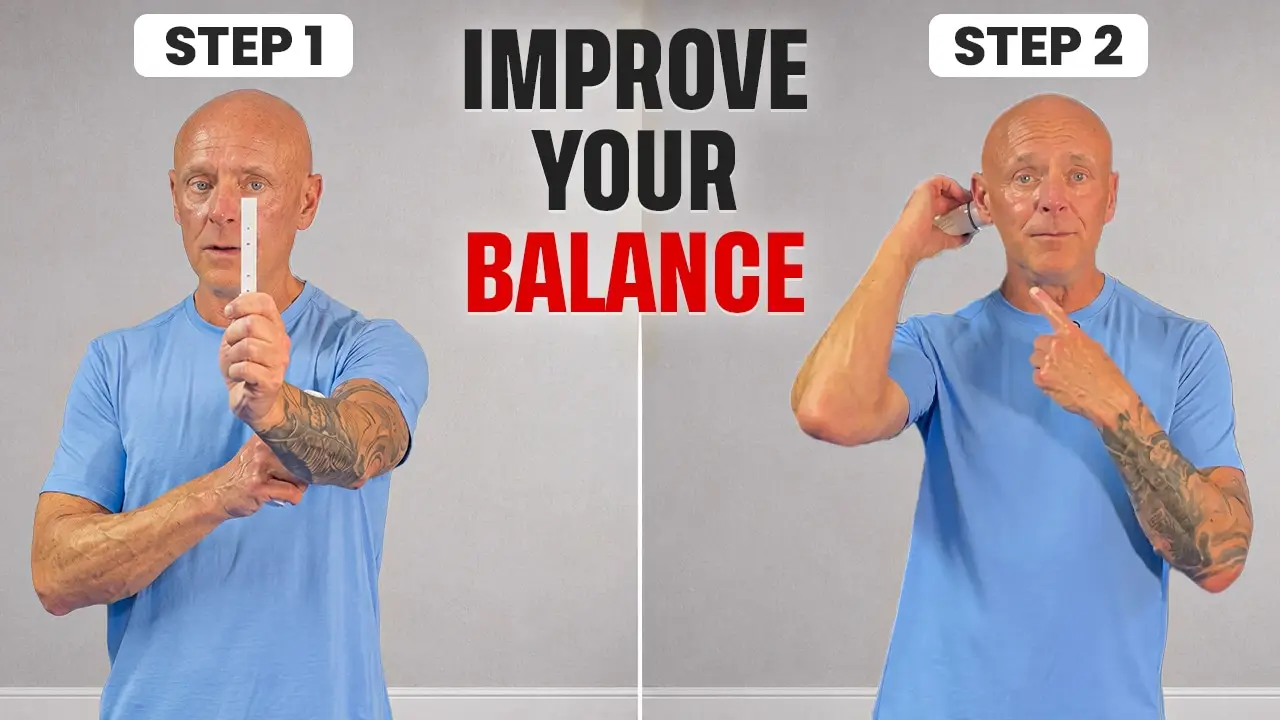
Hi. Today we’re going to be talking about upper rib pain and neck pain in its relationship to breathing. I am Doctor Eric Cobb. I’m the founder. We are an education company. We specialize in teaching what we call brain-based education to coaches, doctors, and therapists around the world. This is a huge topic for us. We cover breathing in many of our certification courses. We have a Breathing Gym product that we created, which is about a four hour lecture filled with demonstrations on how to create your own personalized breathing program.
And because this is National Wellness Month here in the United States, we have this thing we call The Starter Bundle going on, which is our strength gym, Vision gym, balance gym, breathing gym, and our essentials course, which is a 21- hour continuing ed course that’s all in a bundle right now for National Wellness Month. So what we’re trying to do is give you some information from kind of each one of those in these blogs. And today I want to focus on breathing because it is honestly the foundation of everything that we do. And in fact, around the world, movement systems have said if you can’t fix the breath, you can’t fix anything else.
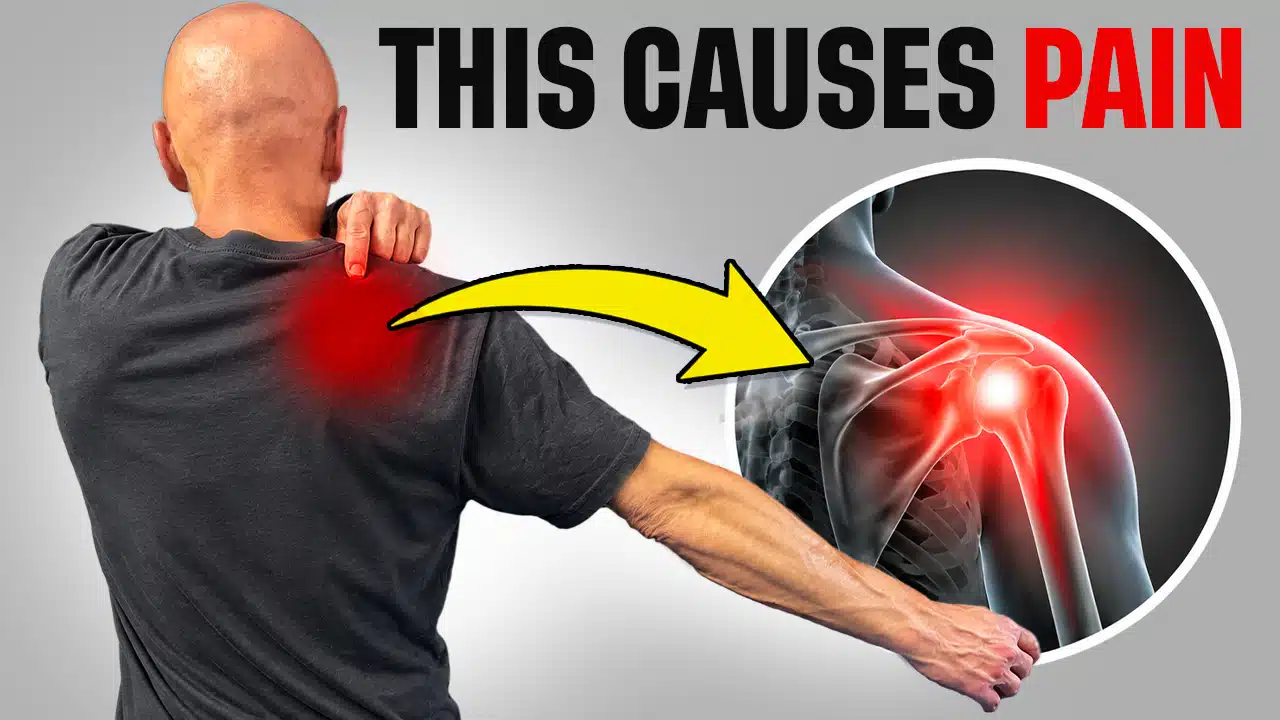
So when it comes to neck pain and upper rib pain, you know that annoying. Ah, I’ve got this thing here above my scapula. One of the things we will notice with a high degree of regularity is a lack of good expansion in the middle and upper rib cage during a very deep breath.
So this is a little bit more advanced. I want to say it that way because if you have not already learned three dimensional breathing, you want to start there. Three dimensional breathing basically means we’re no longer trying to teach people belly breathing where the belly is just going in and out, because a lot of people do that incorrectly. Instead, what we’re interested in is imagining you have one of these exercise bands or a tight belt around your waist, and as you are breathing in, you are creating a 360 degree expansion through the abdomen that allows the diaphragm to get into a better position to do what it’s supposed to do.
Now we want to take that same three dimensional expansion and move it up the rib cage. As we are taking a deeper breath, what we will typically see is if you have right side pain, we will often, if we’re doing a breathing evaluation, find that as we’re asking you to breathe all the way up into the right side of the upper rib cage, we will see less movement there or more restricted movement than we will on the non painful side. Now, that is not always the case, but it is what we see most commonly.
So here’s a quick way for you to begin to address this. First thing I’m going to have you do is imagine that you, again have a band around your abdomen. You’re going to take three or four breaths in and out, trying to expand in a 360 degree manner. Now, if you don’t have something to tie around, you put your hands on your waist, fingers in the front, thumbs in the back, kind of trying to figure out where your kidneys are.
Take a deep breath in and see if you can create expansion like this and expansion like this. Alright, this is what you should be feeling in your hands. You want to start there. Now, once you’ve kind of figured that out, you’re then going to move up in the rib cage. So you’re going to come and think about your ribs from basically your xiphoid process, the bottom of your sternum up to your armpit.
And now you’re going to take a deeper breath in and you’re going to see if you can feel your ribs going sideways, moving laterally and also moving anterior posterior underneath your arms. Right. So basically that sounds weird, but this is like an armpit breathing drill. You try and get your breath all the way up there and as you’re doing that, you’re comparing mentally side to side. Is it easier on the left, is it easier on the right?
Does that correlate with where I’m having pain? Once we’ve done that, we want to go into the top of the ribs. The top of the lung field is kind of how we describe it. And to do this, we’re going to actually utilize a couple different tools. What I’m going to have you do is let’s imagine that you’re having neck pain on the right side or, you know, like I said, this upper trap, upper 1st, 2nd rib, third rib pain that a lot of people complain about.
And we’re going to try to expand that area. Now, normally, what we need to do is we need to add some flexion to our spine to allow us to really feel the mobilization that we’re interested in. So we’re going to do two different versions of this version. One, you’re going to cross your arms over your chest, kind of give yourself a hug. Now, I’m going to rotate away from the side I’m worried about.
So if I’m worried about my right side, I’m going to rotate to my left. I’m then going to curl down, look toward the floor, not really tightly, but from this position, I’m now going to do that same 360 degree breath. I’m going to start on my abdomen. I’m going to move it up under my armpit. And then finally, I’m going to try and bring that deep inhalation all the way up into the top of my shoulder.
Now, as you do that, you will probably feel some muscle tension in your chest, but you should feel a stretching sensation in those upper ribs. You can go back and retest and see how your neck’s feeling after that. And then we’re going to do another version. For this particular version, rather than holding on here, we’re going to put our hands behind us. So I’m going to put my hands behind me.
I’m going to hold on like this. Just something comfortable. Same thing. Turn away from the side of complaint. Flex forward. Now I’m going to begin my breathing process. Now, when I get up here, as I’m breathing in, I’m going to push my hands toward the floor. And a lot of times that slight pressure of the hands toward the floor because it will pull your shoulder blade down, will give you an even deeper sensation of mobility and stretch in the area that is of concern.
So I like to have people do the hug version and then we do the hands behind version. These tend to work really, really well. You don’t have to do them intensely. This is, again, supposed to be a little bit of a coaxing or seduction, if you will, of your muscles and your joints to move a little bit better, make you more comfortable. The main thing here is frequency.
So do this multiple times throughout the day, maybe two or three breaths every 3 hours. The other thing is to become more and more aware of habitually. Are you either never taking a deep breath or because you don’t exercise, you don’t do anything that requires a deep breath, or are you taking deep breaths, but you are restricting the motion primarily to your middle ribs and down, which is what we see in a lot of people with chronic neck and shoulder issues.
So not a ton of necessarily neuro in this right now. There’s a lot that we could add in, but this is just a really great, simple mobilization that you can use for yourself and you can teach to your clients. I love using this for, like I said, these niggling issues with the neck and upper ribs. So give it a shot and I hope you find it super helpful.
We’ll see you soon.